
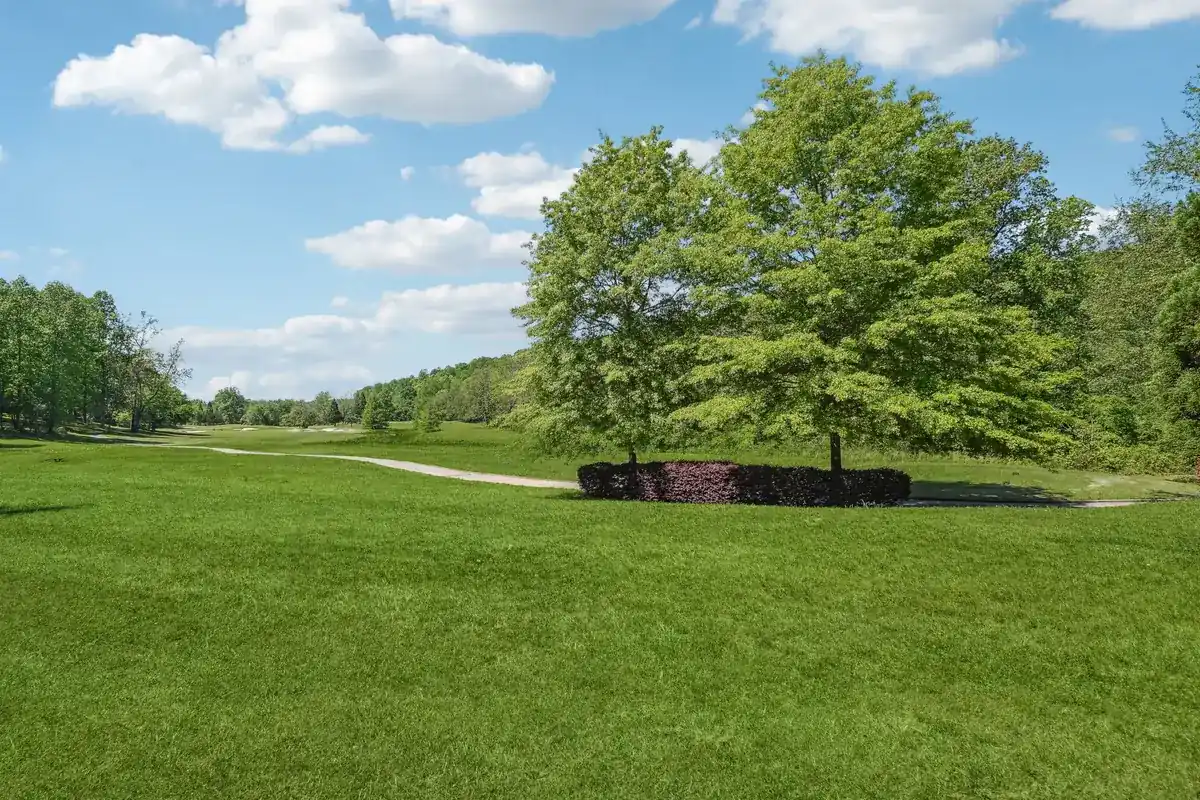
Playing Mountain Golf in North Georgia
Golf in the Dahlonega area presents unique challenges and opportunities. Elevation, terrain changes, and mountain weather all factor into your game. These tips will help you play smarter and score better on North Georgia’s mountain courses.
1. Master Club Selection on Elevation Changes
Mountain golf is all about elevation management. When playing an uphill hole, add 1–2 clubs. When playing downhill, subtract 1–2 clubs. A 150-yard uphill shot to a green elevated 30 feet above you plays more like a 165-yard shot. Most amateur golfers underclub on uphill shots and overclub on downhill shots — costing them strokes on every round.
At Achasta Golf Club specifically, the terrain changes are significant enough that locals carry a reliable mental map of each hole’s elevation profile. Pay attention to your first round and take notes — your second round will dramatically improve.
2. Respect the Mountain Wind
At 1,500+ feet, Dahlonega’s courses are exposed to winds that can shift rapidly as they funnel through mountain gaps and valleys. Unlike flat-land courses where prevailing winds are more predictable, mountain wind can swirl, gust, and change direction mid-hole.
Club down in a crosswind rather than fighting it with a harder swing. A controlled 6-iron in 15 mph crosswind will consistently outperform a forced 7-iron. Keep your ball flight lower on windy days by playing it back in your stance slightly and focusing on solid contact over maximizing distance.
3. Reading Mountain Greens
Mountain greens break away from high points and toward low points — often following the natural watershed of the terrain. On courses like Achasta Golf Club, water drainage patterns reveal themselves in how putts break. Reads that seem to go against the grain of visible slopes are almost always influenced by a larger elevation feature you can’t see from the putting surface.
One reliable technique on unfamiliar mountain greens: stand behind your ball, look toward the horizon, and identify the lowest visible terrain feature in the distance. Putts will often break toward that feature, even subtly. This “terrain reading” method is especially reliable on North Georgia courses.
4. Manage Your Energy on Hilly Terrain
18 holes on a mountain course is genuinely more physically demanding than 18 holes on flat terrain. Walking golfers especially will notice cumulative fatigue in the back nine. This directly impacts swing mechanics — tight hips, fatigued lower back muscles, and tired legs all contribute to poor contact and loss of distance later in the round.
Stretch before your round, stay hydrated (mountain air is deceptively dry), and carry energy snacks in your bag. If you start feeling physically tired, take an extra moment to reset your posture and take a few slow, deliberate practice swings before each shot. Don’t let physical fatigue become mental fatigue.
5. Ball Selection for Mountain Conditions
At elevation, golf balls tend to fly slightly farther and sit up more on firm fairways. Many experienced mountain golfers prefer a slightly softer compression ball for better control on approach shots — the extra spin helps stop balls on firm, downhill-running greens.
In cooler mountain temperatures (fall and winter play), ball compression matters even more. Cold air reduces the elasticity of the ball core. Switch to a lower-compression ball (70–80 compression) for rounds below 55°F to maintain distance and feel. Keep spare balls in your pocket (warm against your body) rather than the cart bag when playing in cold mountain conditions.
6. Course Management on Tree-Lined Holes
Most North Georgia mountain courses are heavily wooded, with mature hardwoods lining fairways. Aggressive lines that carry corners may be tempting but often result in wayward drives into trees with no clear recovery shot. The safe play is almost always to take a wider line — even if it means a longer approach — because clear angles to the green are worth more than 20 yards of distance.
When you do find trees, resist the urge to go for the hero recovery. A low punch shot to the fairway, leaving a full yardage into the green, will almost always score better than attempting to thread the needle through tree branches at full swing.

Golf Lessons & Instruction Near Dahlonega
Whether you’re a beginner picking up the game or an experienced player looking to sharpen specific aspects of your game, the Dahlonega area has instructional options to help.
On-Course Lessons at Achasta Golf Club
The UNG golf program and Achasta Golf Club’s pro shop occasionally offer instruction sessions. Contact the pro shop directly for current lesson availability and instructor access.
Gainesville Area Golf Academies
Gainesville, southeast of Dahlonega, offers several well-equipped teaching facilities with PGA and LPGA certified instructors. A day trip to Gainesville for a lesson session combined with a Dahlonega round makes for a perfect golf day.
Online Video Analysis
Remote video swing analysis with a qualified instructor is an excellent option for Dahlonega-area golfers. Record your swing at the range, submit it to a PGA pro for analysis, and implement changes on North Georgia’s mountain courses.
Your Game is Here. Why Not Your Home Too?
Many golfers who discover Dahlonega’s courses start asking the same question: “What would it take to live here?” The answer might surprise you. Mountain properties, golf community homes, and Dahlonega area real estate offer extraordinary value compared to metro Atlanta. Gold Peach Realty can show you what’s available.
(770) 283-1223
Related reading: Dahlonega Golf: A Guide to Playing and Living Near North Georgia’s Courses and Playing Golf in the North Georgia Mountains: Courses, Views, and Tips.